How to Record and Protect Your Best Football Card Pulls
Why a Pull Record Matters More Than You Think
Opening a pack and finding a card you have been chasing is one of the best moments in the hobby. That rush, the sudden realisation that you have pulled something rare, is what keeps collectors opening packs. But once the excitement fades, the real work begins. A valuable football card hit needs more than a sleeve and a toploader. It needs a record that proves where it came from, what condition it was in when you pulled it, and that it is yours.
Whether you collect for your own enjoyment or plan to trade, sell or grade later, a clear record protects your investment and makes future decisions easier. Without one, even the most impressive pull can lose value if its history is unclear. Below is a practical checklist to help you record and protect every significant card you open.
Check the Card Immediately After the Pull
The moment you pull a card, take a close look. Do this before you celebrate. Check the corners, the surface, and the centring. Any defect that was there when you opened the pack is part of the card's original condition. If you notice a print line, a soft corner, or a surface scuff, note it right away. This baseline matters if you ever send the card for grading. A card that came out of the pack with a slight flaw is different from one that was damaged later.
If you are watching a live streamed repack or opening a box on camera, the timestamp from the stream can serve as a record of the pull's condition. Save that timestamp or clip it. It is a simple piece of evidence that can answer questions later.
Sleeve and Load Immediately
Once you have checked the card, get it into a penny sleeve and then into a semi-rigid or toploader. Do not leave it loose on a table or slide it into a box without protection. The oils from your fingers, the dust in the air, and the risk of a bump are all real threats. A card that stays in its protective sleeve from the moment it is pulled retains its original surface and edges. That is the best start you can give it.
If you pull multiple hits in one session, handle each one separately. Stacking them without sleeves, even for a few minutes, can cause edge wear or surface scratches. Take the extra thirty seconds per card.
Photograph the Pull in Natural Light
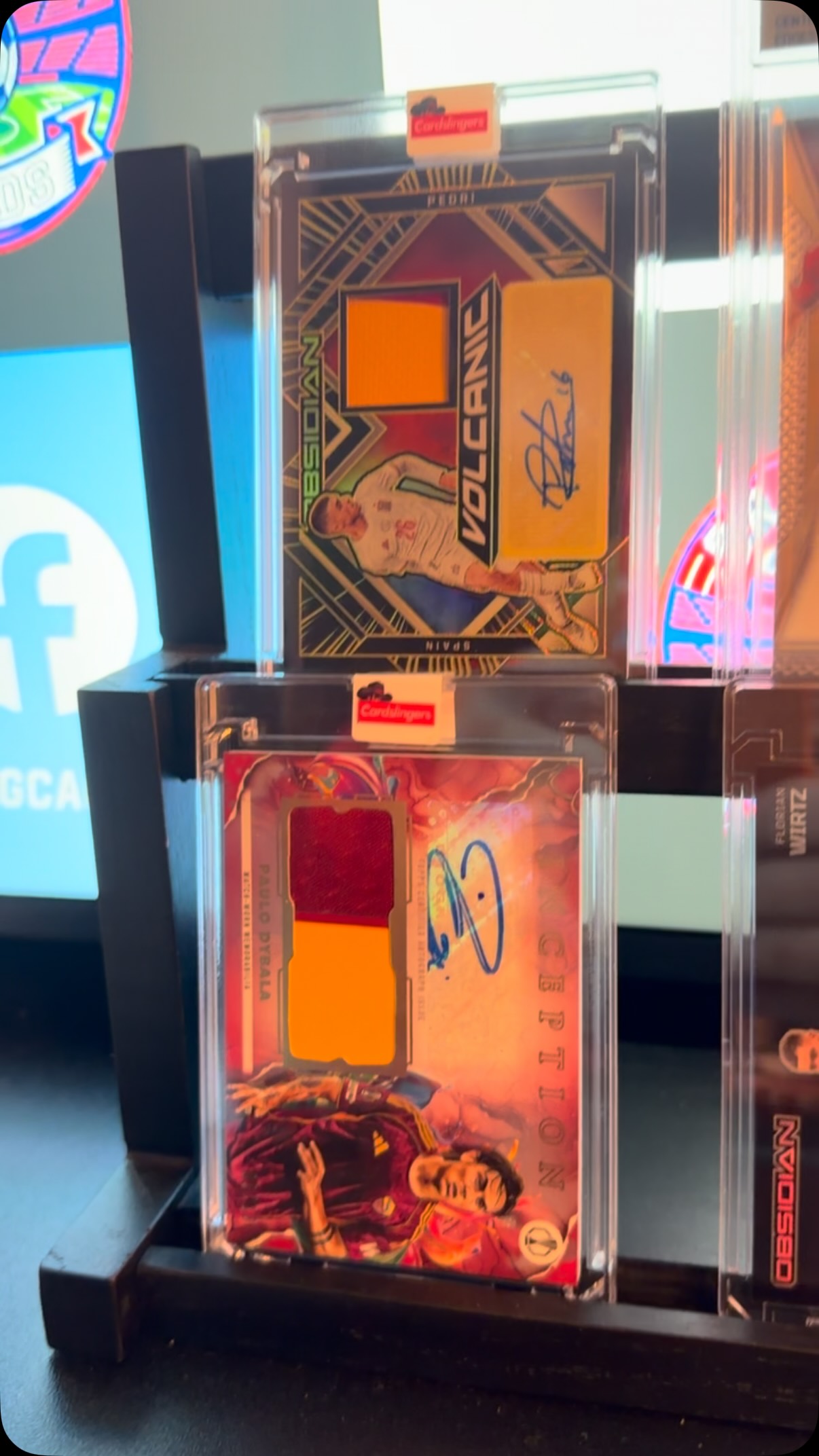
A good photo does more than show off the card on social media. It creates a visual record of the card's condition at the moment of the pull. Use natural daylight or a consistent LED source. Avoid direct flash, which can wash out the surface or create glare that hides flaws. Take a front shot, a back shot, and a close-up of any unique feature such as a serial number, a relic piece, or an autograph. If the card is match worn or player worn, photograph the area that shows the wear pattern. That detail is part of the card's story and its value.
Store these photos in a folder on your phone, tablet, or computer. Label them with the player name, set, and date. If you ever sell or trade the card, those photos become proof of its condition when it left your hands.
Log the Card Details in a Spreadsheet or App
A written record, digital or on paper, turns a collection from a pile of cards into a managed asset. For each valuable pull, log the following information:
- Player name and card set
- Year and manufacturer
- Card number and serial number if present
- Date and source of the pull (which box, which repack, which stream)
- Any notable feature such as an autograph, relic, or match-worn patch
This log does not need to be elaborate. A simple spreadsheet works. The key is consistency. Every time you pull a card worth recording, add the entry. Over time this log becomes a reference you can use to track what you have, what you might want to grade, and what you might trade. It also helps if you ever need to prove ownership for insurance purposes.
Consider Grading for High-Value Hits
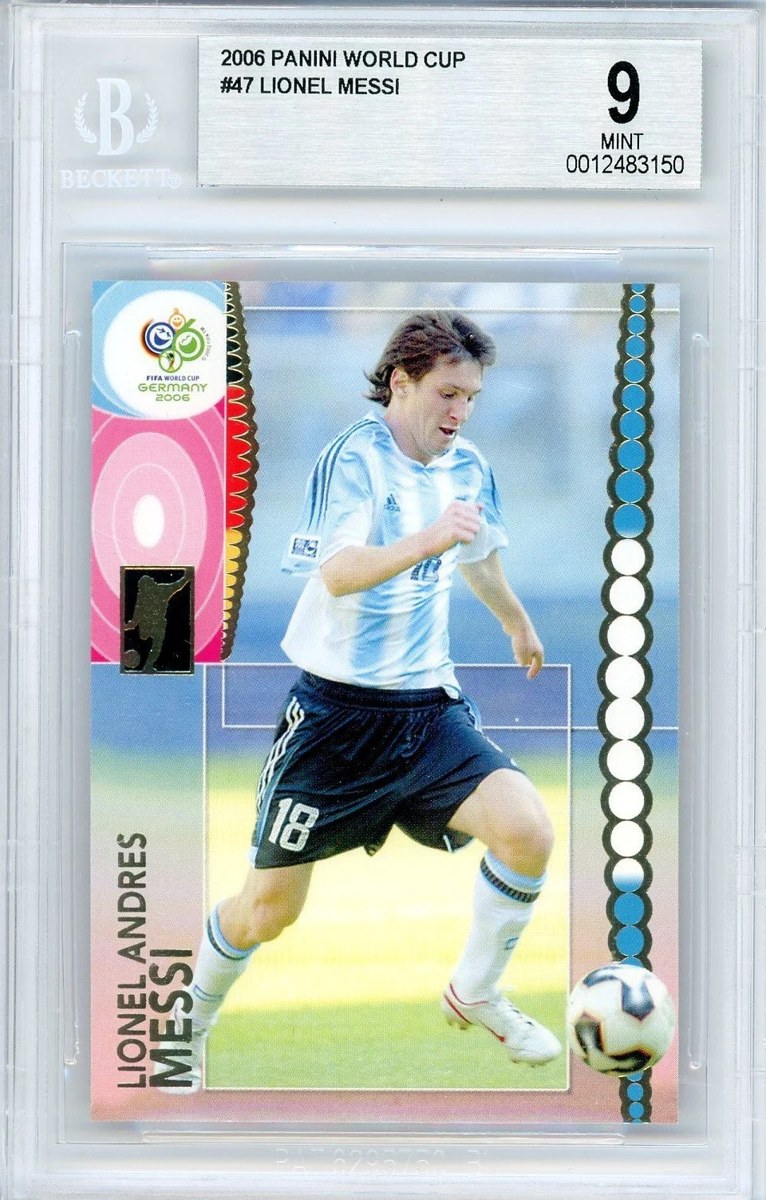
Not every pull needs to be graded. But if you have pulled a card that is clearly a major hit, such as a rare autograph, a low-numbered relic, or a chase card from a premium set, grading adds a layer of protection and clarity. A graded slab seals the card in a tamper-evident holder and provides an independent assessment of its condition. That assessment is a standard that buyers, traders, and collectors recognise.
Before you send a card for grading, revisit your initial photos and your log. The grader will note the same details you recorded. If your record matches the grade, you have a consistent story. If there is a discrepancy, your record can help you decide whether to appeal or simply accept the grade. Either way, you have the information.
For cards that you plan to keep long term, grading also prevents the card from being handled or damaged further. The slab itself is a storage solution that keeps the card flat and protected.
Store the Card in a Safe Environment
A valuable card needs a stable home. Avoid attics, basements, or garages where temperature and humidity swing. Keep cards in a cool, dry place away from direct sunlight. Sunlight will fade inks and papers over time, even through a toploader or a slab. If you store cards in a binder, use acid-free pages and keep the binder closed and upright. If you use a storage box, choose one that is made for trading cards and that fits the cards snugly without crushing them.
For your very best pulls, consider a small safe or a lockable drawer. The point is not to hide the card away but to keep it in a place where it will not be accidentally knocked, bent, or exposed to spills.
Keep a Separate Record of Provenance
Provenance is the chain of ownership and origin for a card. For a sealed product pull, provenance starts with the pack opening. For a card bought as a single, it starts with the seller. For a card won in a live break or a repack, the provenance includes the stream, the host, and the timestamp. If you ever sell a high-value card, the buyer will want to know that the card came from a legitimate source and that its condition has not been altered.
This is where a site like Craig Cam Cards fits naturally into the conversation. Many collectors open their best pulls through live Whatnot repacks or box breaks hosted by trusted sellers. Keeping a note of which host, which stream, and which date gives your card a clear backstory. If the host provides a certificate of authenticity or a packing slip, keep that with the card's record.
Provenance also matters for cards that are match worn or player worn. The specific game or match the item comes from is part of its value. Document that detail as soon as you know it. A card with a documented match connection is more desirable than one with a vague origin.
Review Your Log Periodically
A log is only useful if it is current. Every few months, go through your record and check it against what you actually have. Have you traded a card and forgotten to remove it? Have you pulled a new hit and not logged it yet? A quick review keeps the record accurate and helps you spot cards that you might want to grade, sell, or move into a different storage spot.
This is also a good time to check the condition of stored cards. Pull a few out and look at them. Are the sleeves still clean? Is the toploader still flat? Has any card shifted inside its sleeve? Catching a small problem early is much better than finding damage years later.
Protect Your Digital Records
Your photos, spreadsheet, and any scans are part of the card's record. Back them up. A cloud folder, an external drive, or a second device all work. If your phone breaks or your computer crashes, you lose the visual proof of your pull's condition. A backup takes a few minutes and saves a lot of frustration. If you ever need to file an insurance claim or prove a card's history to a buyer, having the digital evidence available is essential.
There is no single right way to record and protect a football card hit. The right method is the one you actually follow. A simple notebook and a phone camera can do the job as well as any app. The important thing is to start before the next big pull comes along. Once you have a system in place, every new hit is just another entry in a record that grows more valuable over time.
For collectors who want a community focused on UK football cards and live breaks, Craig Cam Cards offers a space where hits are shared and guidance is available. Whether you are logging your first rare pull or your fiftieth, a consistent approach to recording and protection keeps your collection safe and your story clear.
Corrections
Spot something wrong? Send it to the desk and it gets fixed in the open.